Best Raven SEO Alternatives: Top All-In-One SEO & Client Reporting Software
Raven Tools earned its reputation long before SEO platforms became all-in-one operating systems. For years, agencies relied on it for white-label client reporting, campaign dashboards, keyword monitoring, and basic marketing analytics. It solved a real problem: collecting data from multiple sources and presenting it in a client-friendly format.
Agency expectations have changed.
Clients no longer want static monthly PDFs. They expect live dashboards, instant campaign visibility, and transparent performance metrics that update throughout the month. Internal teams want automation that eliminates manual reporting, not just makes reports look better.
That shift exposed the limitations of legacy reporting-first platforms.
While Raven Tools built its reputation on automated reports, many agencies now prioritize platforms offering deeper backlink intelligence, faster SERP rank tracking, more advanced site audit algorithms, extensive APIs, and hundreds of native integrations across SEO, PPC, CRM, and analytics ecosystems.
Today’s agency stack often includes:
- Technical SEO auditing
- Enterprise keyword research
- Competitive intelligence
- Content optimization
- Backlink monitoring
- Client portals
- Automated dashboard creation
- AI-assisted reporting
- Workflow automation
Instead of using separate tools for each task, agencies increasingly prefer centralized platforms that reduce operational complexity while improving reporting quality.
If you’re evaluating Raven SEO alternatives, these platforms deserve serious consideration.
Also read: How can faceted navigation affect website SEO
Top Enterprise & All-In-One SEO Alternatives
1. SE Ranking
Best for: Agencies wanting an affordable all-in-one SEO platform with excellent reporting capabilities.
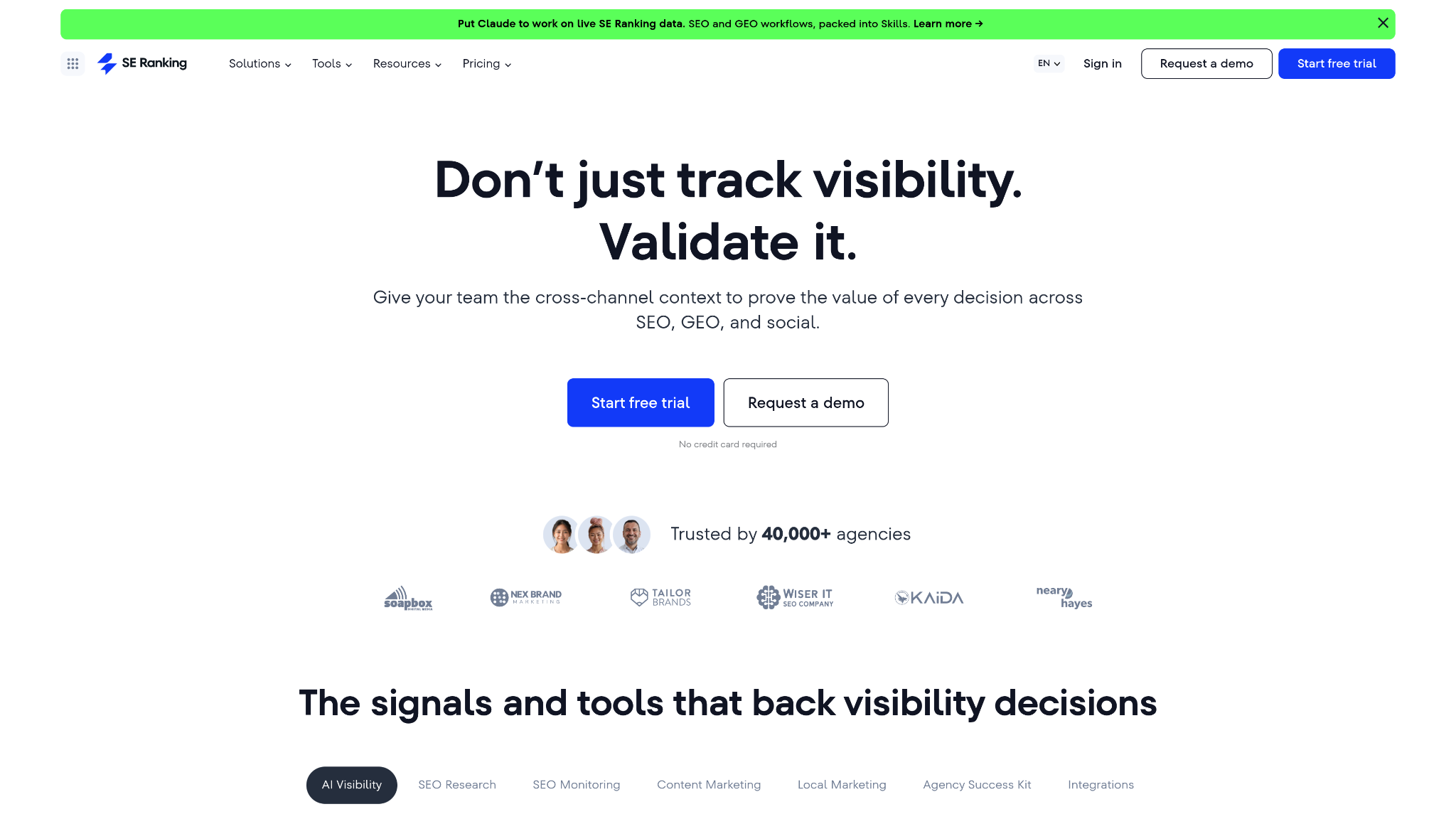
SE Ranking has quietly become one of the strongest competitors in the mid-market agency space. Instead of trying to dominate one category, it delivers consistent performance across technical SEO, keyword tracking, reporting, competitor monitoring, and website auditing.
Its biggest advantage is balance.
Many agencies don’t need enterprise pricing. They need reliable data, customizable reports, and predictable costs as client accounts grow.
Why agencies choose SE Ranking
Historical keyword tracking is exceptionally clean. Rather than simply displaying current positions, agencies can identify ranking volatility over months, correlate traffic shifts with Google updates, and visualize long-term performance trends.
The platform also includes page-change monitoring, helping SEO teams detect unexpected changes that affect rankings.
Technical auditing is another strength.
The crawler evaluates:
- Internal linking
- Redirect chains
- Canonical implementation
- Duplicate content
- Page speed
- Core Web Vitals
- Indexability
- Structured data
- XML sitemaps
White-label functionality deserves special mention.
Custom domains, branded reports, scheduled email delivery, and flexible client dashboards reduce manual reporting work while maintaining a professional presentation.
For growing agencies, SE Ranking delivers excellent value without sacrificing organic search visibility reporting or advanced auditing capabilities.
2. Semrush
Best for: SEO teams needing the broadest marketing intelligence platform.
Semrush has evolved far beyond keyword research.
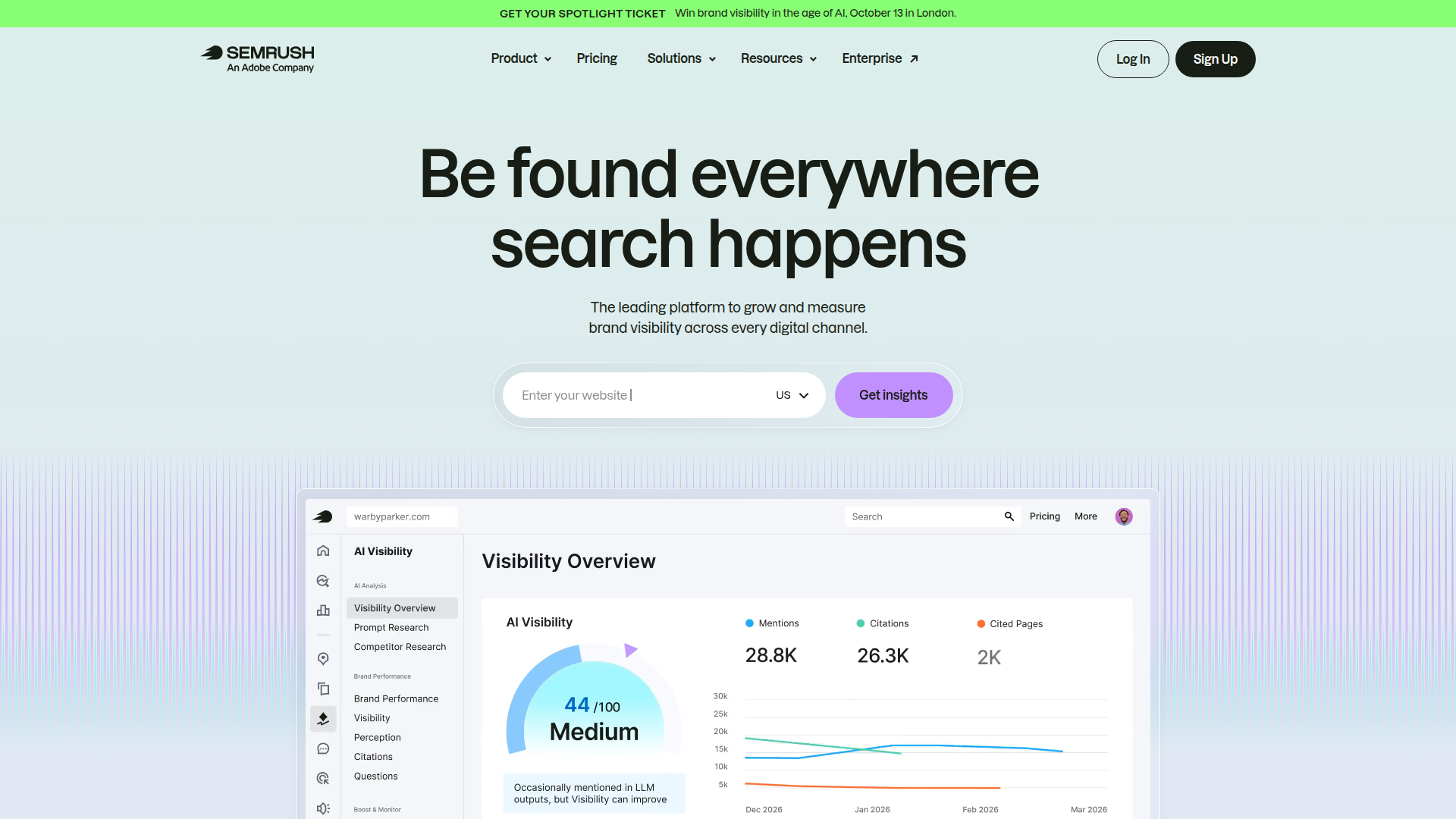
Today it functions as an integrated marketing operating system combining SEO, PPC, competitive intelligence, social media management, content marketing, advertising research, local SEO, and reporting.
Its keyword database is one of the industry’s largest, exceeding 25 billion keywords across numerous regional markets.
That scale changes how agencies perform research.
Instead of relying only on search volume, teams can uncover:
- Emerging keyword clusters
- Seasonal demand
- SERP intent shifts
- Commercial keyword opportunities
- Question-based searches
- Regional keyword variations
Domain Analytics remains one of Semrush’s strongest features.
Entering any competitor immediately reveals:
- Estimated traffic
- Ranking keywords
- Top-performing pages
- Paid advertising history
- Backlink growth
- Market share
For agencies pitching enterprise clients, this intelligence significantly accelerates audits and KYP.ai Process Intelligence workflows.
The platform also excels at competitor gap analysis.
Instead of manually comparing websites, SEO teams can quickly discover keywords competitors rank for while their own clients remain absent from search results.
Content optimization has matured considerably.
Semrush now combines SEO recommendations with readability analysis, topical coverage, semantic relevance, and content scoring to improve publishing workflows.
Reporting is equally agency-friendly.
Custom PDF builders, scheduled delivery, and branded templates reduce reporting time while keeping stakeholders informed.
If your workflow depends heavily on competitive research and large-scale keyword discovery, Semrush remains one of the strongest Raven SEO alternatives available.
3. Ahrefs
Best for: Technical SEO specialists and backlink-driven agencies.
Ask experienced SEO consultants which platform they trust most for backlink intelligence.
Ahrefs consistently appears near the top.
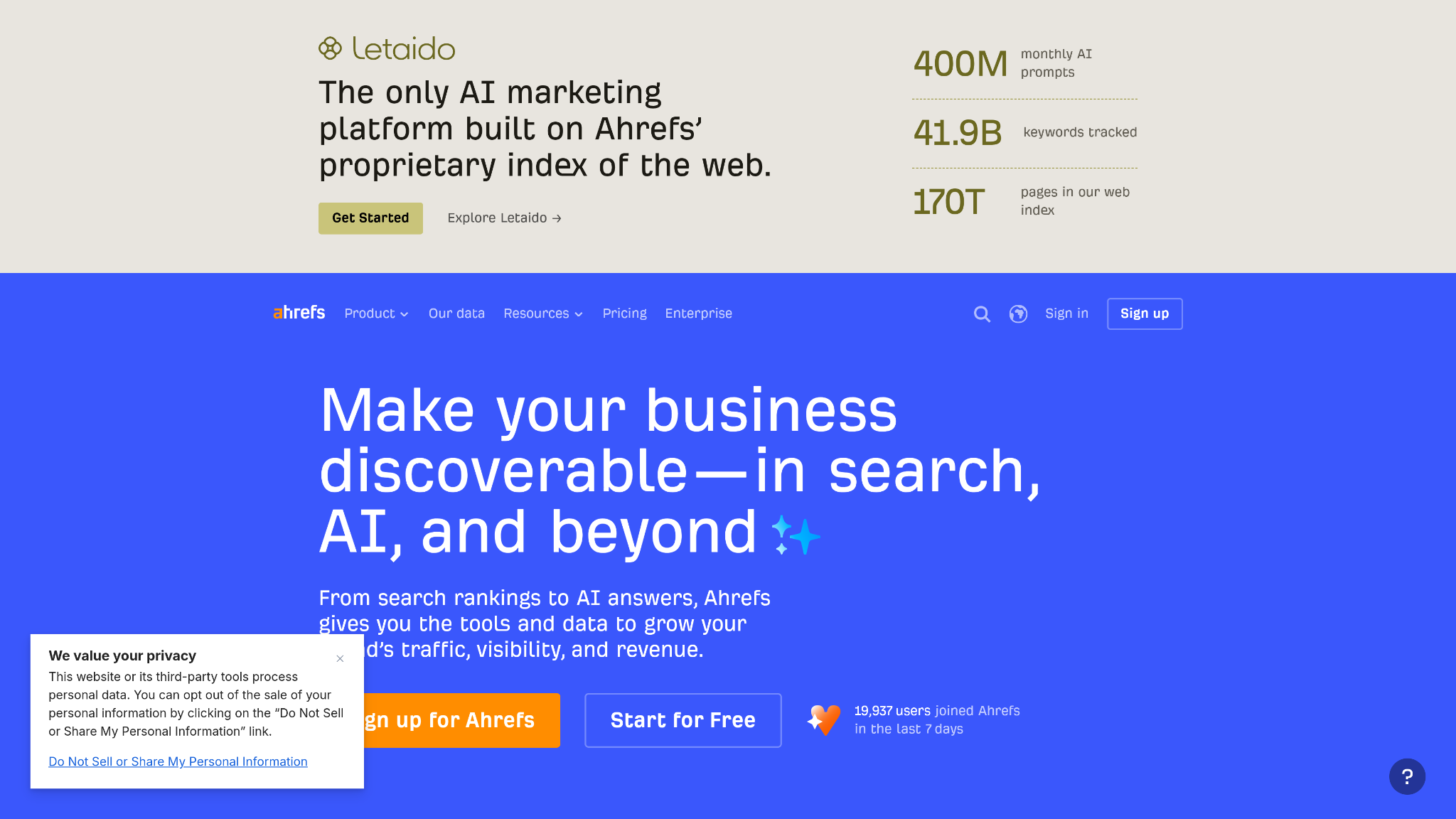
Its crawler infrastructure is among the fastest in the SEO industry, producing exceptional backlink index depth that agencies depend on during audits, penalty investigations, and link acquisition campaigns.
Site Explorer remains the benchmark.
A single domain lookup provides insights into:
- Referring domains
- Link growth trends
- Lost backlinks
- Anchor distribution
- Internal linking
- Top pages
- Organic keywords
- Historical performance
This level of granularity makes diagnosing ranking losses significantly easier.
Technical SEO is equally impressive.
The Site Audit crawler evaluates hundreds of on-page and infrastructure issues, producing detailed recommendations prioritized by severity.
Content teams also benefit.
Content Gap reports simplify competitor gap analysis, revealing opportunities competitors already capture while your client remains invisible.
API capabilities further separate Ahrefs from reporting-first platforms.
Many agencies integrate Ahrefs data into internal dashboards, BI systems, automation platforms, and custom reporting pipelines instead of relying solely on native reports.
If backlinks drive your agency’s strategy, Ahrefs remains one of the strongest investments available.
4. Moz Pro
Best for: Smaller agencies and marketing teams prioritizing simplicity.
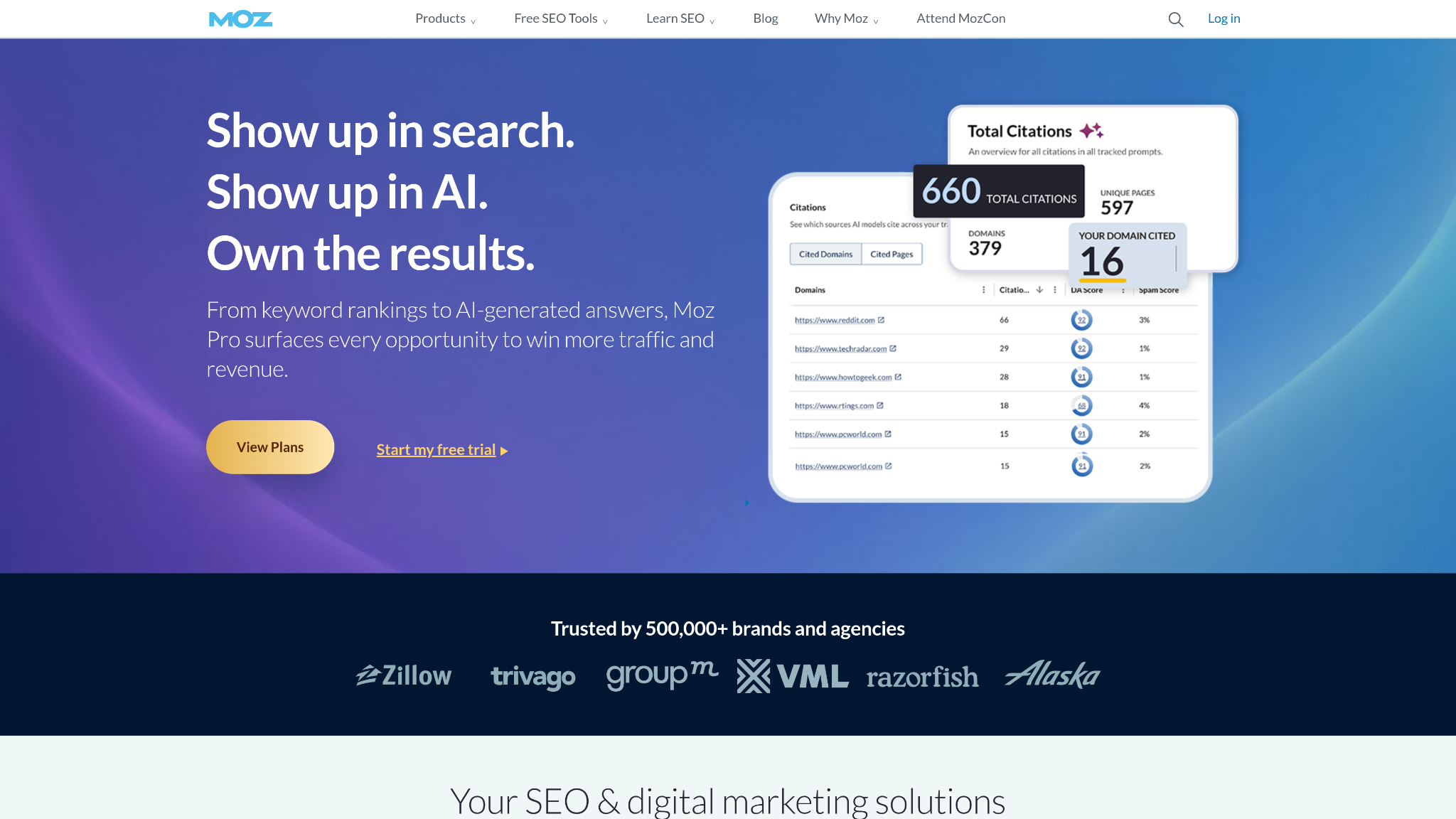
Moz has always emphasized accessibility over complexity.
Rather than overwhelming users with hundreds of reports, it presents actionable SEO recommendations supported by intuitive interfaces.
Its proprietary Domain Authority metric remains widely referenced across digital marketing.
Although no third-party authority score perfectly reflects Google’s algorithms, DA continues to provide a useful benchmark during outreach, competitive research, and backlink evaluations.
Keyword Explorer focuses heavily on keyword difficulty scoring, search opportunity, and organic click potential.
That makes prioritization easier, especially for lean teams managing limited content resources.
Moz also offers:
- Rank tracking
- Site crawling
- Link analysis
- On-page optimization suggestions
- Campaign management
Its Page Optimization recommendations are particularly useful for junior SEO teams learning technical best practices.
Agencies seeking straightforward reporting without enterprise-level complexity often find Moz Pro easier to adopt than larger platforms.
Top Specialized Agency Reporting Alternatives
Not every agency needs another SEO crawler. Some already use Ahrefs or Semrush for research and simply need better reporting. That’s where dedicated reporting platforms outperform traditional SEO suites.
5. AgencyAnalytics
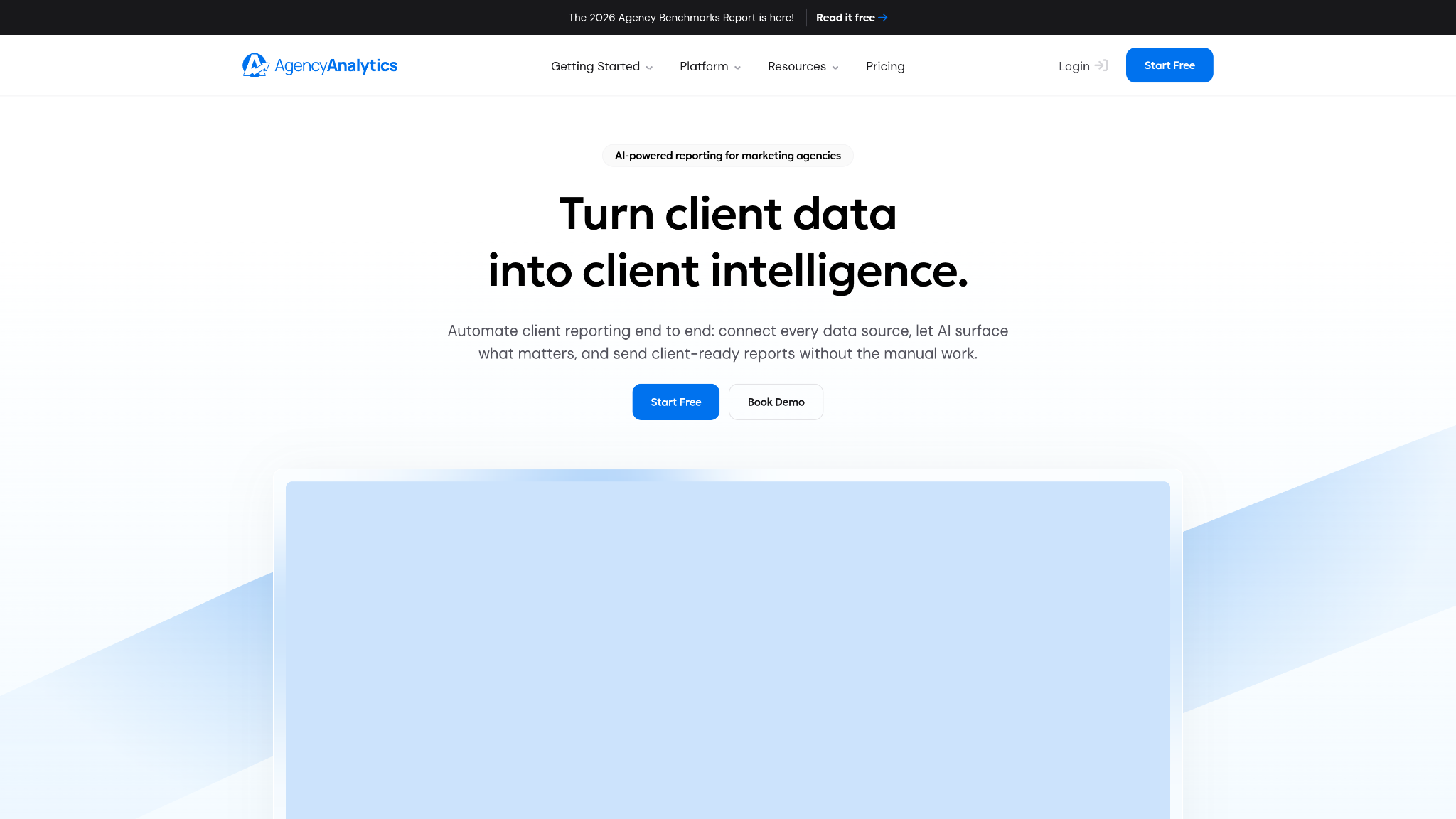
Best for: Agencies managing multiple marketing channels under one client account.
AgencyAnalytics focuses on presentation without sacrificing automation.
Instead of exporting spreadsheets from numerous tools, agencies connect everything into centralized automated marketing dashboards.
Native integrations cover more than 80 platforms, including:
- Google Analytics
- Google Search Console
- Google Ads
- Meta Ads
- LinkedIn Ads
- Bing Ads
- Call tracking
- CRM platforms
- SEO software
- Email marketing tools
The drag-and-drop dashboard builder allows agencies to tailor reports for different stakeholders.
Marketing directors often want executive summaries. SEO managers prefer keyword movement, technical issues, and backlink trends.
Executives usually care about revenue attribution. AgencyAnalytics supports each reporting style without requiring custom development. Its client portals further improve transparency.
Instead of sending PDFs once per month, agencies provide continuous access to live campaign performance. The platform also handles scheduled email delivery, branded reports, user permissions, and advanced cross-channel marketing analytics from a single interface.
6. DashThis
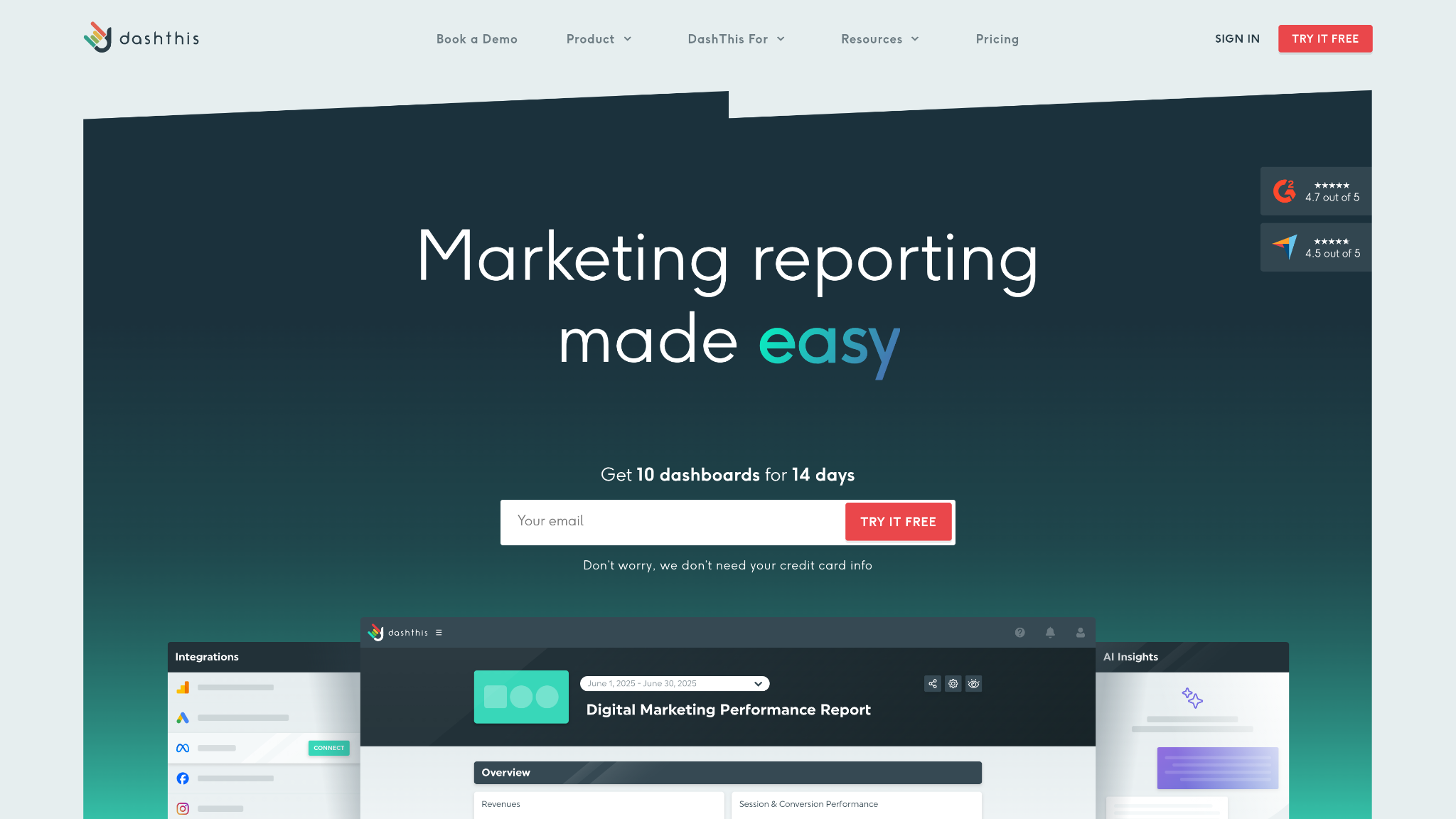
Best for: Agencies wanting rapid dashboard deployment.
DashThis prioritizes speed.
Setup typically requires minimal configuration because most reporting templates are already designed around common agency workflows.
SEO dashboards automatically combine data from:
- Google Analytics
- Google Search Console
- Google Ads
- Facebook Ads
- Call tracking platforms
Custom widgets make it easy to surface KPIs without building dashboards from scratch. Agencies transitioning away from manual reporting often see immediate productivity gains.
DashThis also complements Looker Studio integration strategies. Many agencies continue using Looker Studio for enterprise visualization while DashThis handles standardized monthly client reporting.
For teams spending too many hours formatting reports, this approach dramatically reduces operational overhead.
Feature Comparison: Raven Tools vs. Modern Competitors
| Platform | Primary Strength | Site Audit Quality | Backlink Data Depth | Reporting Capabilities |
| Raven Tools | White-label reporting and marketing dashboards | Good | Moderate | Excellent white-label reports and scheduled reporting |
| SE Ranking | Balanced all-in-one SEO platform | Excellent | Strong | Excellent branded dashboards and report builder |
| Semrush | Competitive intelligence and keyword research | Excellent | Excellent | Advanced PDF reporting with custom templates |
| Ahrefs | Backlink analysis and technical SEO | Excellent | Industry-leading | Good, with API-driven reporting flexibility |
| AgencyAnalytics | Client reporting automation | Basic SEO auditing | Depends on connected sources | Outstanding live dashboards, client portals, and automated reporting |
Key Factors When Switching Your Agency’s SEO Stack
Data Accuracy vs. Pricing
Pricing should never be evaluated in isolation.
A cheaper platform that updates rankings once every few days may actually cost more if delayed insights lead to missed opportunities or slower issue detection.
Compare vendors across several dimensions:
- Crawl frequency
- Keyword update intervals
- Freshness of backlink databases
- API limits
- Historical data retention
- Report automation
- User seats
- Integration ecosystem
Enterprise agencies should also evaluate API quotas carefully.
As reporting automation scales, restrictive API limits often become a hidden operational expense. Another consideration is database freshness.
Large backlink indexes updated continuously provide faster visibility into newly acquired links, toxic backlinks, and competitor campaigns.
The difference becomes obvious during link-building initiatives where timing matters.
Client Experience Matters More Than Features
Many agencies lose clients because reporting feels disconnected from actual campaign progress.
Interactive dashboards solve that problem.
Instead of waiting for month-end summaries, clients can monitor rankings, traffic, backlinks, conversions, and campaign milestones whenever they choose.
That transparency builds confidence. It also reduces routine support requests because performance data is always accessible.
Modern reporting platforms strengthen client relationships through:
- Live dashboards
- Automated alerts
- Branded portals
- Scheduled executive summaries
- Interactive performance charts
- Multi-channel attribution reporting
The result is fewer reporting bottlenecks, stronger retention, and better client conversations.
Technology alone won’t retain clients. Clear communication, accurate data, and proactive reporting will.
Also read: website crawl budget optimization strategies
Final Thoughts
Raven Tools still serves agencies that primarily need reliable white-label reporting and straightforward campaign management. But agency operations have expanded far beyond static SEO reports.
Today’s clients expect real-time visibility, richer competitive insights, faster backlink discovery, deeper technical audits, and seamless integrations with the rest of the marketing stack.
If your agency is evaluating Raven SEO alternatives, the right choice depends on your workflow.
- SE Ranking delivers the strongest balance of affordability and all-in-one functionality.
- Semrush excels for competitive research, keyword intelligence, and integrated digital marketing.
- Ahrefs remains the benchmark for backlink analysis, technical SEO, and content research.
- Moz Pro offers an approachable platform with dependable SEO metrics for growing teams.
- AgencyAnalytics and DashThis stand out when reporting automation and client experience take priority.
Choose the platform that removes operational friction, improves data accuracy, and helps your team spend less time building reports and more time delivering measurable SEO results.